

User Tools
This is an old revision of the document!
EMS Widgets Basics
Author: Michelle McCausland
Introduction
This page describes the widgets that are utilized within the EMS application in terms of their functionality.
As of the time of writing, this does not include report related widgets. These will likely be treated separately.
Widgets are described in terms of widget type as this is how they are referred to on a DB level.
More detail relating to each of these widgets can be found in the EMS User Guide which is accessible from any IDMS Support Page.
ADDRESS_POWER
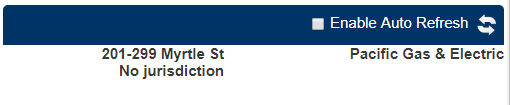
To display address detail, jurisdiction and power detail related to a network element. This data is duplicated in the light blue header bar.
ALARM_DETAILS

To display alarm details related to network elements and allows for clear & acknowledge of alarms. This widget reads from the alarm cache to ensure real-time information is presented to the screen. By default, alarms are presented in order of priority with critical at the top.
ALARM_SUMMARY
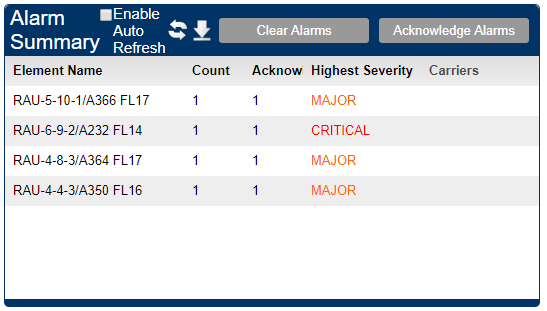
To display alarm summary detail related to network elements and allows for clear & acknowledge of alarms.
ATTACHMENT
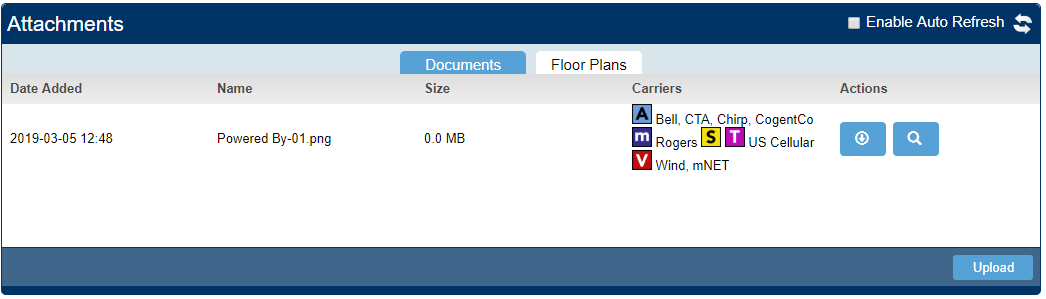
To allow the user to upload and view attachments relevant to a network element.
CARRIER_OVERVIEW
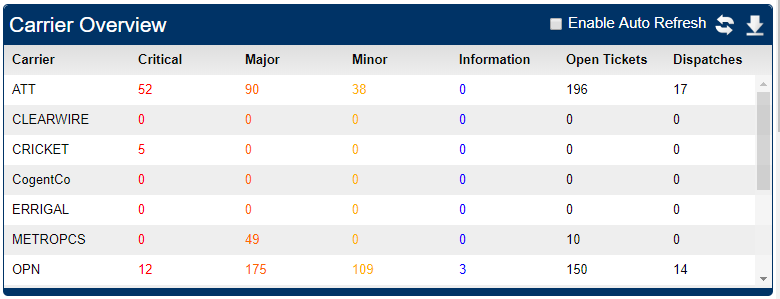
To display an overview of the alarm and ticket counts per carrier. Clicking a row brings you to the carrier view for the selected carrier.
CARRIER_OVERVIEW_MAP
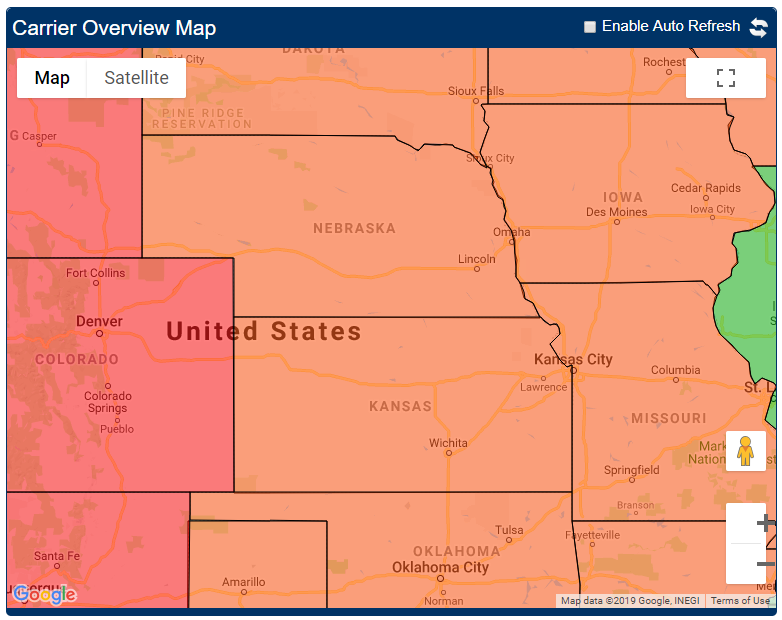
To provide a map overview of ticket and alarm data relating to a carrier’s network elements.
CHANGE_HISTORY
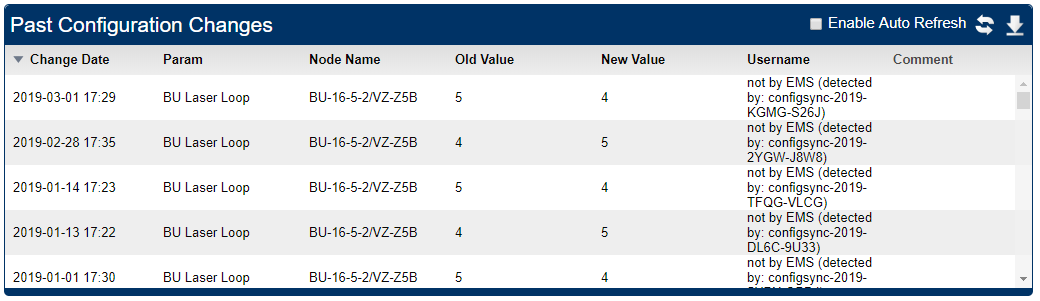
To display the history of previous config. changes on a network element.
CLUSTER_OVERVIEW
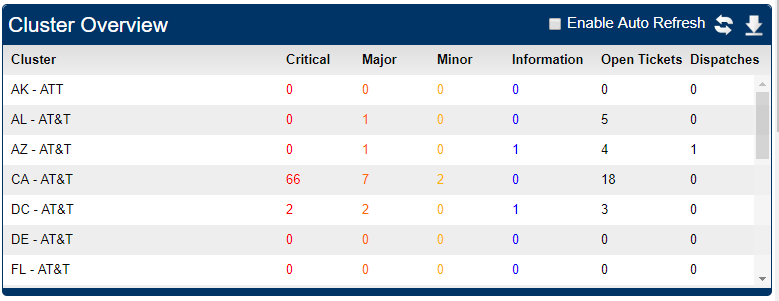
To display an overview of the alarm and ticket counts per cluster. Clicking a row brings you to the cluster view for the selected cluster.
CLUSTER_TICKETS
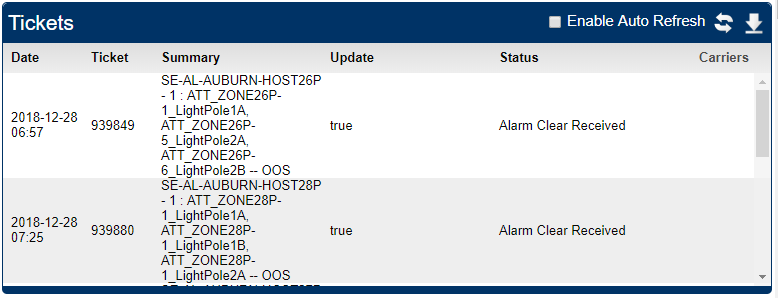
To display ticket detail related to network elements in a cluster.
COMPONENT_EDITOR

Attached Components widget on the System Info page.
CONFIG_EDIT

To display config parameters and allow for modification. Edit Configuration widget on the System Info page.
CONFIG_VIEW
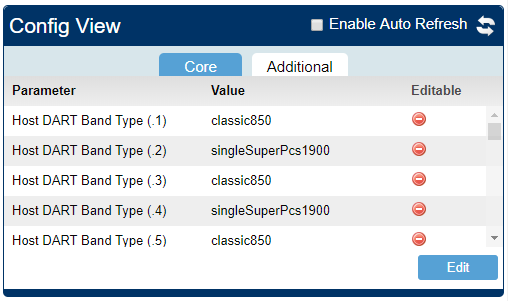
Allows for viewing and editing of configuration parameters from the parent page. Config view widget on parent view page.
CONTACTS
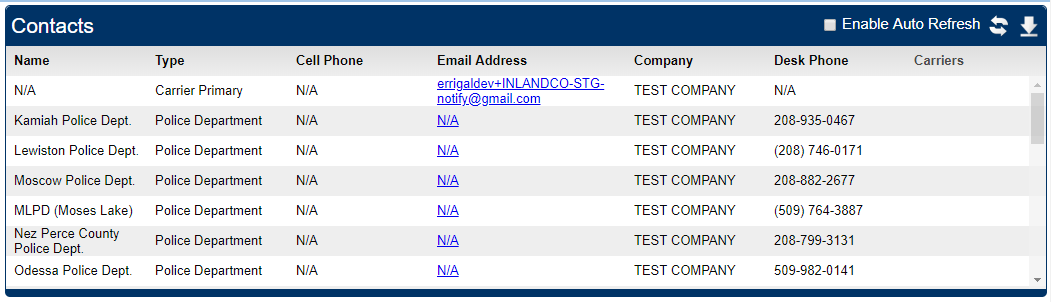
To display the list of contacts associated with a network element. Contacts can be associated with carriers.
DISCOVERY_SCHEDULE
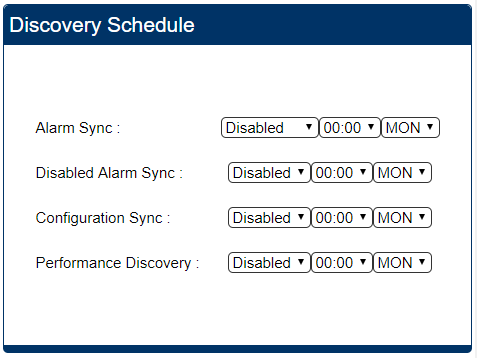
Allows for the scheduling of various sync processes for a network element.
GENERAL_CONFIG_EDITOR
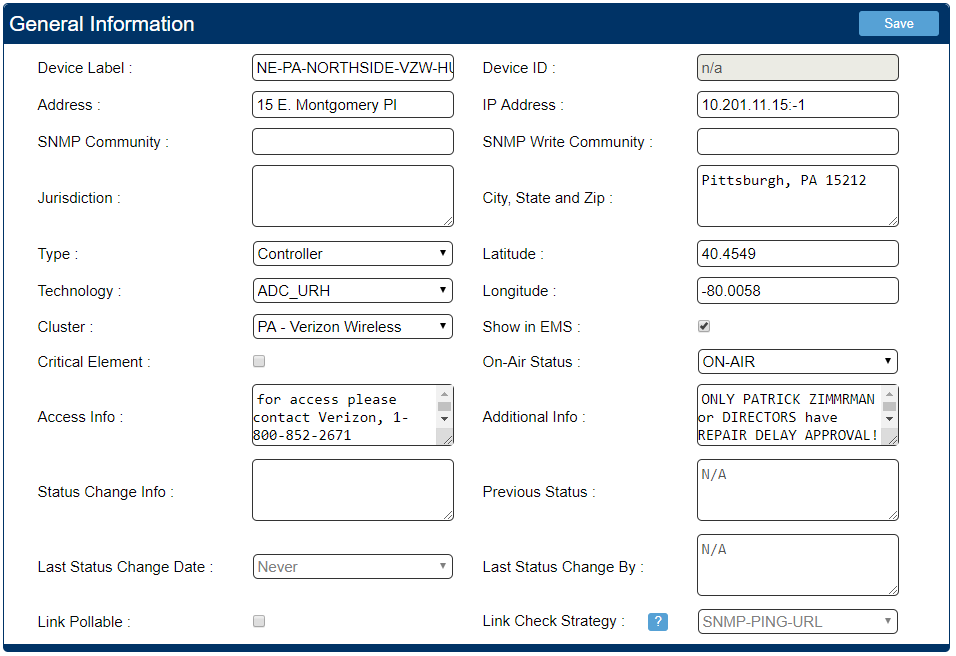
To display general information detail related to a network element.
HUB_CHANGE_HISTORY
To display the history of previous config. changes on a network element.
JURISDICTION_RULE

To display the jurisdiction rule data associated with child network elements that are marked as right of way elements.
When configured to display on Child Config view via widget permissions, displays then hides unless network element is marked as right_of_way_element = true.
NETWORK_GROUP_TICKETS
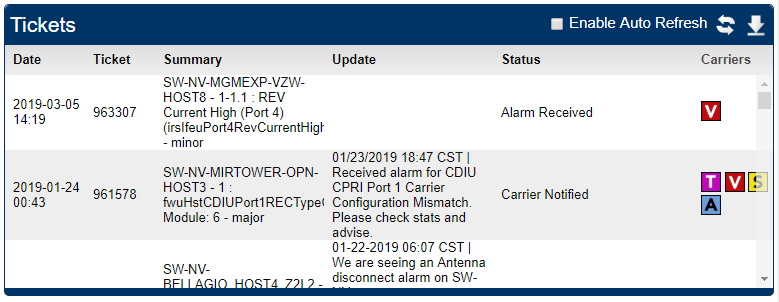
To display tickets under a network group.
NODE_SUMMARY

Displays element name, alarm status, on air date and technology type. The data is duplicated in the header (light blue bar).
PARAMETER_TABLE
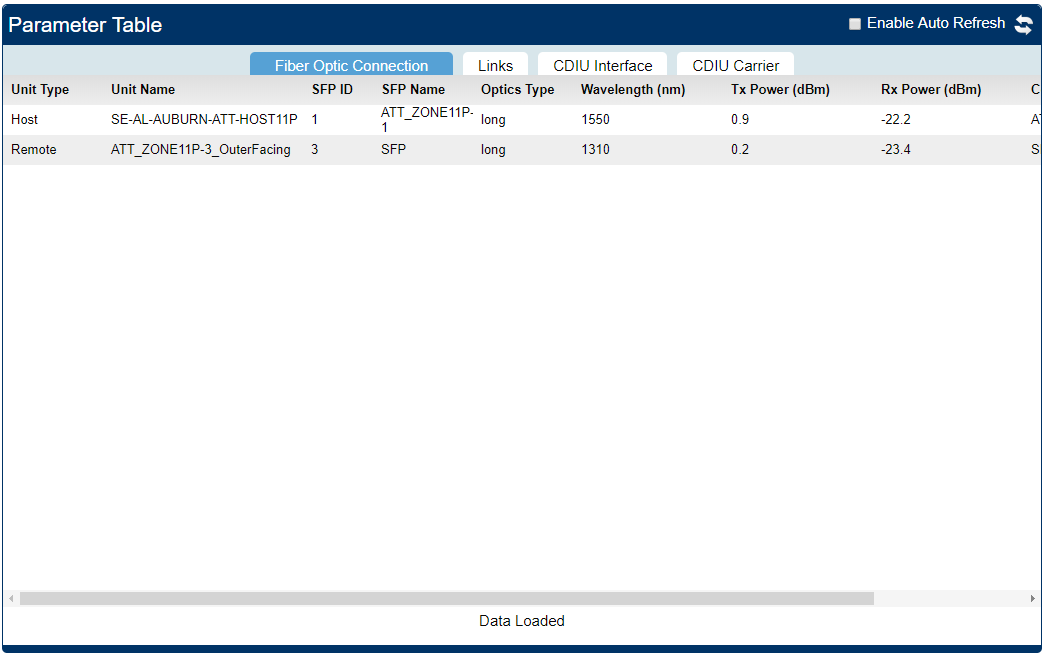
To display a list of parameters configured on a network element. Parameters are only available for supported technologies. If the element’s technology type is not supported, the appropriate message will display in the widget to notify the user of this.
PERFORMANCE_VIEW
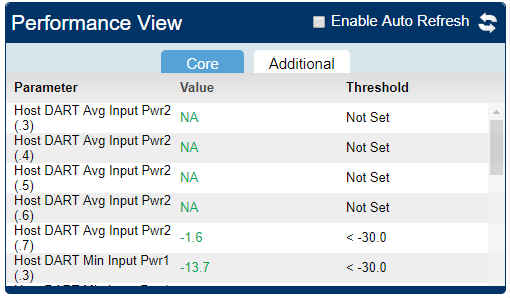
To display the list of performance parameters configured for the network element. These values are populated following a performance sync.
POWER_DETAILS_EDITOR
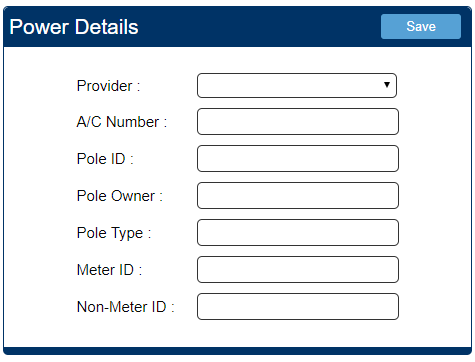
To display the power details associated with a network element.
QUICK_CHILDREN_EDITOR

To display elements attached to a network element and allow for management of these attached elements.
SYSTEM_OUTAGE_PERCENTAGE
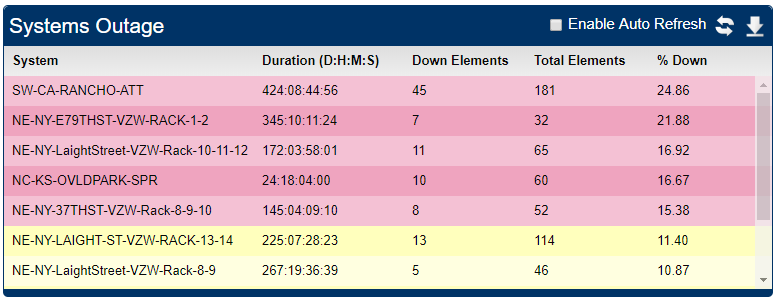
To display an overview of the down elements per system.
TICKETS
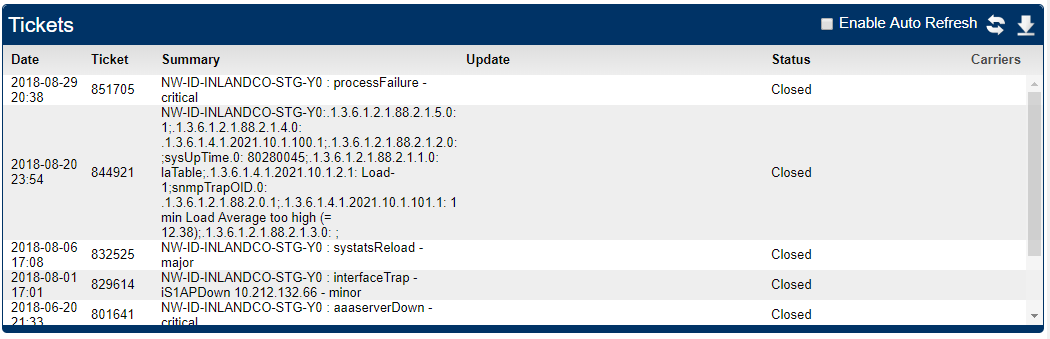
To display ticket detail related to network elements in a hub.
TICKET_ACTIVITY

To display a count of tickets in the network. The data is duplicated in the light blue header bar.
VENUE_ASSIGNMENT
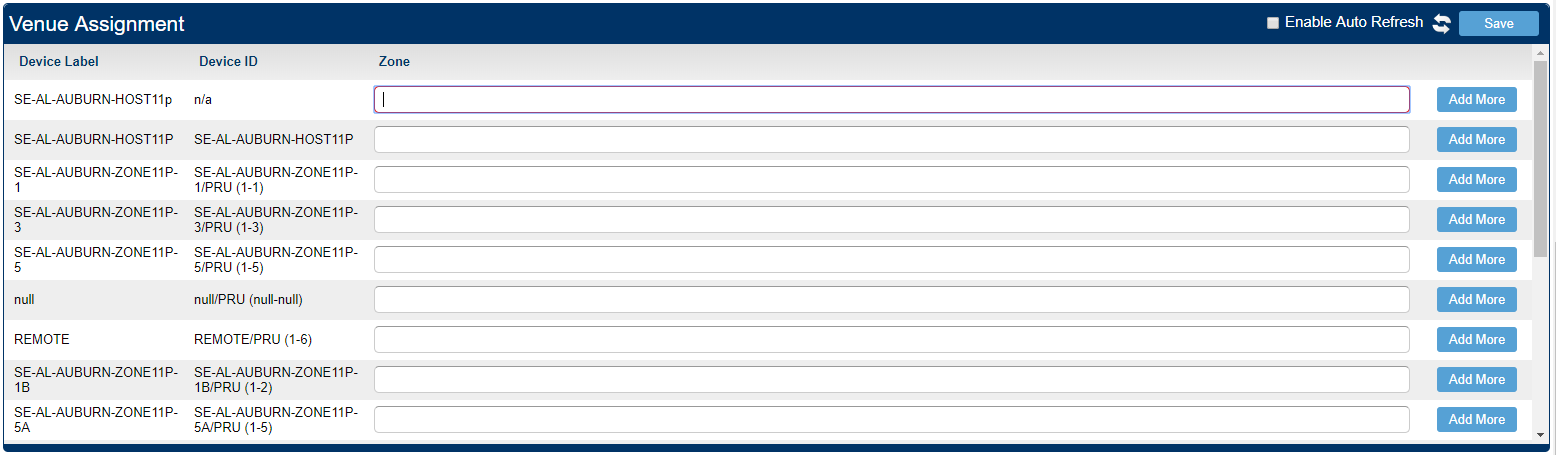
To allow for venue assignment and configuration.
VENUE_OVERVIEW
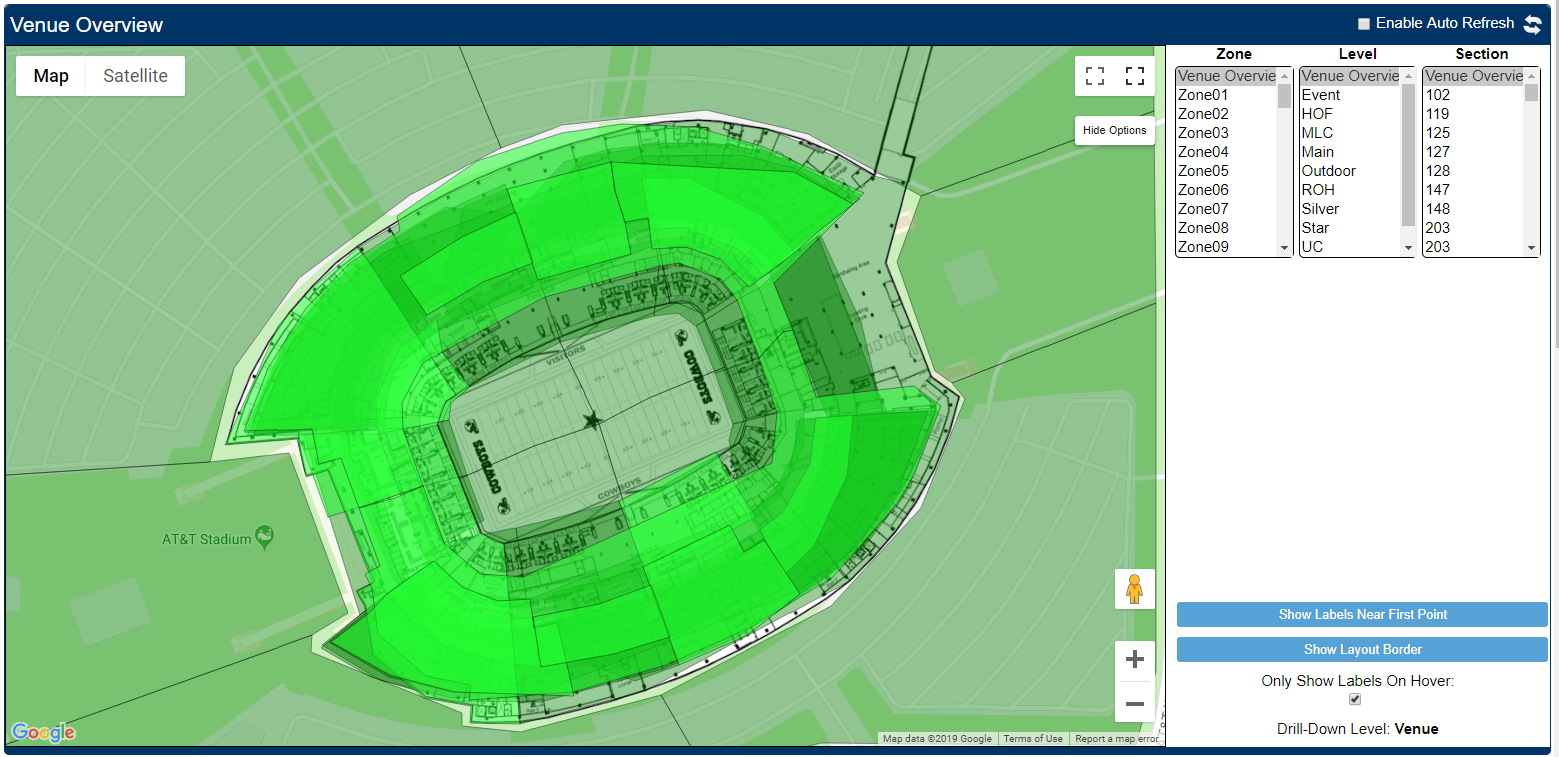
To display an overview of a venue. It contains a detailed map of the venue divided up into zones. These zones are color coded based on the alarms present in each zone. As alarms are created and cleared these color values will update in real time in the EMS without the need for a page refresh.


